“Dissect the coffee fruit” search results (81500)

Treatment of Coffee Fruit and Coffee beans
The solarization process can also be called a natural process, which is basically the oldest, simplest, and requires the least mechanical tools. The first step is to sort and clean it up first. Immature, overripe, damaged coffee fruits will be singled out first. At the same time, the branches, leaves, mud and stones mixed in the fruit will also be removed. Sieves are usually used to deal with this preliminary
2015-04-16 Coffee fruit coffee beans treatment sun exposure process also known as nature.
Points for attention in Coffee planting
When the fruit of the coffee tree is picked, the four layers of skin wrapped around the coffee beans need to be removed in order to finally get the coffee beans needed. The main methods to remove the outer epidermis of coffee beans are "wet treatment" and "dry treatment".
2014-07-09 Coffee knowledge coffee tree planting planting matters coffee encyclopedia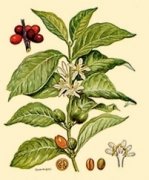
Basic knowledge of boutique coffee knowledge of fine coffee beans
There are about 60 species of coffee in the world, of which only 25 species are cultivated to make coffee, of which only 4 species are used as commercial coffee: large fruit coffee (Coffea liberica), medium fruit coffee (Coffea canephora), small fruit coffee (Coffea arabica) and high yield coffee (Coffea dewevrei). These are botanical names. Coffee in the world at present
2014-12-28 Boutique coffee basics common sense coffee beans knowledge the world plants about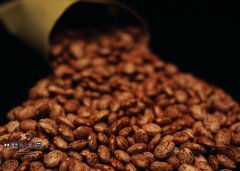
Coffee fruit plantation
This 3-year-old Japanese girl, who speaks Mandarin in Yunnan, is always popular with farmers from all over the country. During the last picking season of coffee fruit, her parents Tian Daiju and Tian Daisi were the busiest. In this way, Tian Daihe has free space to haunt every corner of the coffee fruit manor. There are coffee fruits drying in the courtyard, these small white ones
2014-08-12 Coffee fruit coffee fruit planting coffee manor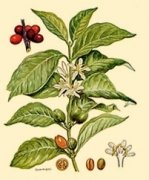
There are about 60 species of coffee plants in the world.
There are about 60 species of coffee in the world, of which only 25 species are cultivated to make coffee, of which only 4 species are used as commercial coffee: large fruit coffee (Coffea liberica), medium fruit coffee (Coffea canephora), small fruit coffee (Coffea arabica) and high yield coffee (Coffea dewevrei). These are botanical names. Coffee in the world at present
2015-06-04 The whole world coffee plants about many all over the world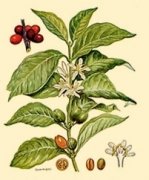
There are about 60 species of coffee plants in the world.
There are about 60 species of coffee in the world, of which only 25 species are cultivated to make coffee, of which only 4 species are used as commercial coffee: large fruit coffee (Coffea liberica), medium fruit coffee (Coffea canephora), small fruit coffee (Coffea arabica) and high yield coffee (Coffea dewevrei). These are botanical names. Coffee in the world at present
2015-09-15 The whole world coffee plants about many all over the world
What exactly does the coffee bean coffee fruit look like?
What we see every day are roasted coffee beans, at most we have seen yellow-green raw coffee beans, which is the most kind of fruit. What did it look like at first? What we usually see is a bit like cherries, so we sometimes call coffee fruits coffee cherries. Generally speaking, there are two coffee beans in each coffee fruit, which are covered with exocarp, pulp and pectin.
2014-09-25 Coffee bean coffee fruit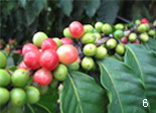
What is the structural stratification of coffee fruit? Is it true that there are five floors from the inside out?
The picture above shows the plane structure of coffee fruit. A mature and complete coffee fruit is divided into the above five parts. This picture shows the cross section of the coffee fruit, from which you can see the main structure of the coffee fruit more intuitively. Coffee should be grown with seeds with endocarp, and the raw coffee beans we usually come into contact with have already
2015-12-30 Coffee fruit structure layering how from the inside total five layers really outer skin
What exactly does the coffee fruit look like?
What we see every day are roasted coffee beans, at most we have seen yellow-green raw coffee beans, which is the most kind of fruit. What did it look like at first? What we usually see is a bit like cherries, so we sometimes call coffee fruits coffee cherries. Generally speaking, there are two coffee beans in each coffee fruit, which are covered with exocarp, pulp and pectin.
2015-09-15 Coffee fruit what is it what it looks like what we every day what we see is roasting.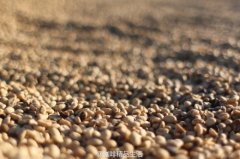
The process of basic knowledge of coffee beans from fruit to coffee bean
Coffee training basics-from fruit to raw coffee beans: a coffee tree can harvest 3-5 kilograms of fruit, and raw coffee beans account for 5% of the fruit quality. Going from fruit to raw coffee beans is really a time-consuming and laborious task. Arabica and Robusta Arabica coffee account for about 2% of the world's coffee production. The plant is not suitable for high temperature, low temperature, more rain and less rain.
2014-12-30 Coffee beans basics fruits processes coffee training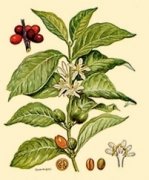
Coffee beans. There are about 60 species of coffee plants in the world.
There are about 60 species of coffee in the world, of which only 25 species are cultivated to make coffee, of which only 4 species are used as commercial coffee: large fruit coffee (Coffea liberica), medium fruit coffee (Coffea canephora), small fruit coffee (Coffea arabica) and high yield coffee (Coffea dewevrei). These are botanical names. Coffee in the world at present
2015-10-13 Coffee beans a family the world plants about a variety coffee
Coffee common sense what does the fruit of coffee look like?
What we see every day are roasted coffee beans, at most we have seen yellow-green raw coffee beans, which is the most kind of fruit. What did it look like at first? What we usually see is a bit like cherries, so we sometimes call coffee fruits coffee cherries. Generally speaking, there are two coffee beans in each coffee fruit, which are covered with exocarp, pulp and pectin.
2014-11-12 Coffee knowledge coffee common sense coffee fruit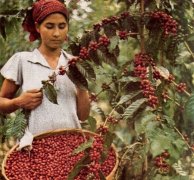
How to become a boutique coffee bean how to choose a boutique coffee bean?
When the bean has a good variety, planted in the area most likely to breed fragrant elves, but also has the careful care of coffee farmers, thrive and fruitful. BUT! Not all red fruits can become a boutique coffee bean! Today, let's talk about what kind of experience this magical fruit has to go through in order to become a boutique coffee! First of all, it must be mature.
2016-03-16 How to become a boutique coffee beans choose how pick this own
The treatment of Coffee Fruit-- Solar
The solarization process can also be called a natural process, which is basically the oldest, simplest, and requires the least mechanical tools.
2014-08-22 Coffee knowledge coffee fruit treatment coffee bean treatment sun exposure
Fruit to raw coffee beans
A coffee tree can harvest 3-5 kg of fruit, and raw coffee beans account for 1. 5% of the fruit quality. Going from fruit to raw coffee beans is really a time-consuming and laborious task. Arabian, Robusta and Liberian Arabian coffee account for about 2% of the world's coffee production. The plant is not suitable for high temperature, low temperature, more rain and less rain. Coffee beans are oval and flat, with high quality
2014-09-29 Raw coffee beans coffee fruit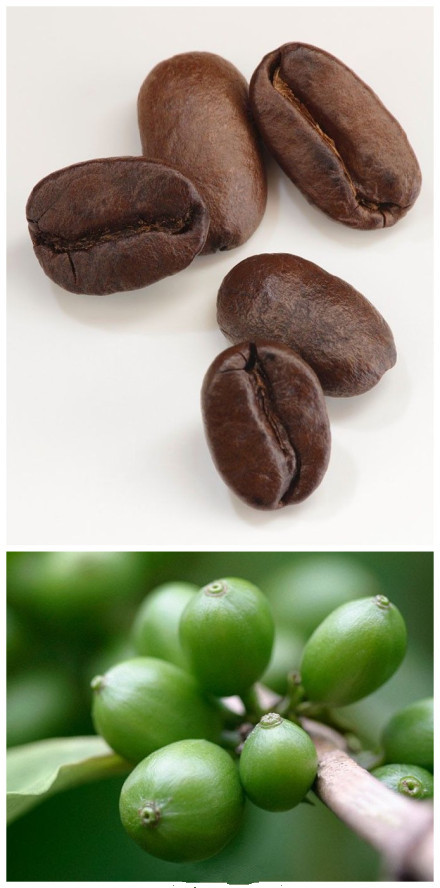
When will the coffee fruit be picked?
Coffee trees usually blossom in 3-4 years, about 2-3 months a year, and their appearance and smell are similar to those of jasmine. when they bloom, they grow in clusters on the branches and bloom for 3-5 days. After the flowers bloom, they bear small green fruits, which ripen and turn red into ripe fruits that can be picked after a few months. The skin of ripe fruit is red. Because its shape and color are similar to cherries, ripe coffee fruit is called coffee cherry in many places.
2015-04-17 Coffee fruit when can pick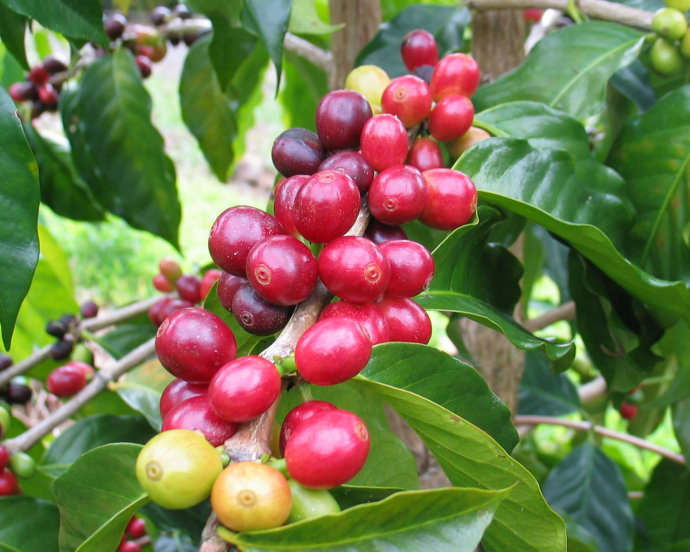
The process of Coffee Fruit from seed to growth to Post-harvest treatment Analysis of layered Anatomy of Coffee Bean
After the coffee flowers fade, they are replaced by small coffee fruits. The ripe coffee fruit is red and looks a bit like the familiar cherry, called coffee cherry. The freshman coffee fruit is green and turns red after ripening for about six months. After maturity, if it is not picked in time, it will slowly turn black. The color of mature coffee fruit is related to the variety, most coffee
2016-01-20 Coffee fruits seeds growth picking treatment process coffee beans stratification anatomy
Coffee training basics-from fruits to raw coffee beans
Coffee training basics-from fruit to raw coffee beans: a coffee tree can harvest 3-5 kilograms of fruit, and raw coffee beans account for 5% of the fruit quality. Going from fruit to raw coffee beans is really a time-consuming and laborious task. Arabica and Robusta Arabica coffee account for about 2% of the world's coffee production. The plant is not suitable for high temperature, low temperature, more rain and less rain.
2014-10-08 Coffee knowledge coffee basics coffee fruits coffee raw beans
This summer's brightest "fruit coffee" refreshing and reassuring
reporter jin wufeng/taichung what sparks will be emitted when litchi meets coffee? Ou Ke Lao Cheap Coffee Shop combines Taiwan's seasonal fruits to develop a different fruit coffee. The entrance is a natural fruity interwoven coffee flavor, bringing a new flavor to the taste buds. In the hot summer, we want to make everyone drink refreshing and at ease. Toxic starch storm swept across Taiwan, making many people want to eat a bowl of ice and drink a cup of pearl milk tea
2014-04-27 this summer the brightest fruit coffee refreshing peace of mind reporter jin wufeng taichung reporting
The growth of coffee trees
The growth and fruit of coffee trees varies with different varieties / environmental conditions. In the high altitude area of Yunnan, the small seed coffee cultivated has the advantages of cold climate, large cloud cover, short light and slow plant growth, but the branches develop into sturdy backbone branches after the first branch bears fruit, and the second / third branch has strong ability to produce. The growth is exuberant and the fruit is dense, which is the main fruiting branch, so it is suitable to adopt single trunk shaping. Two / three
2014-08-07